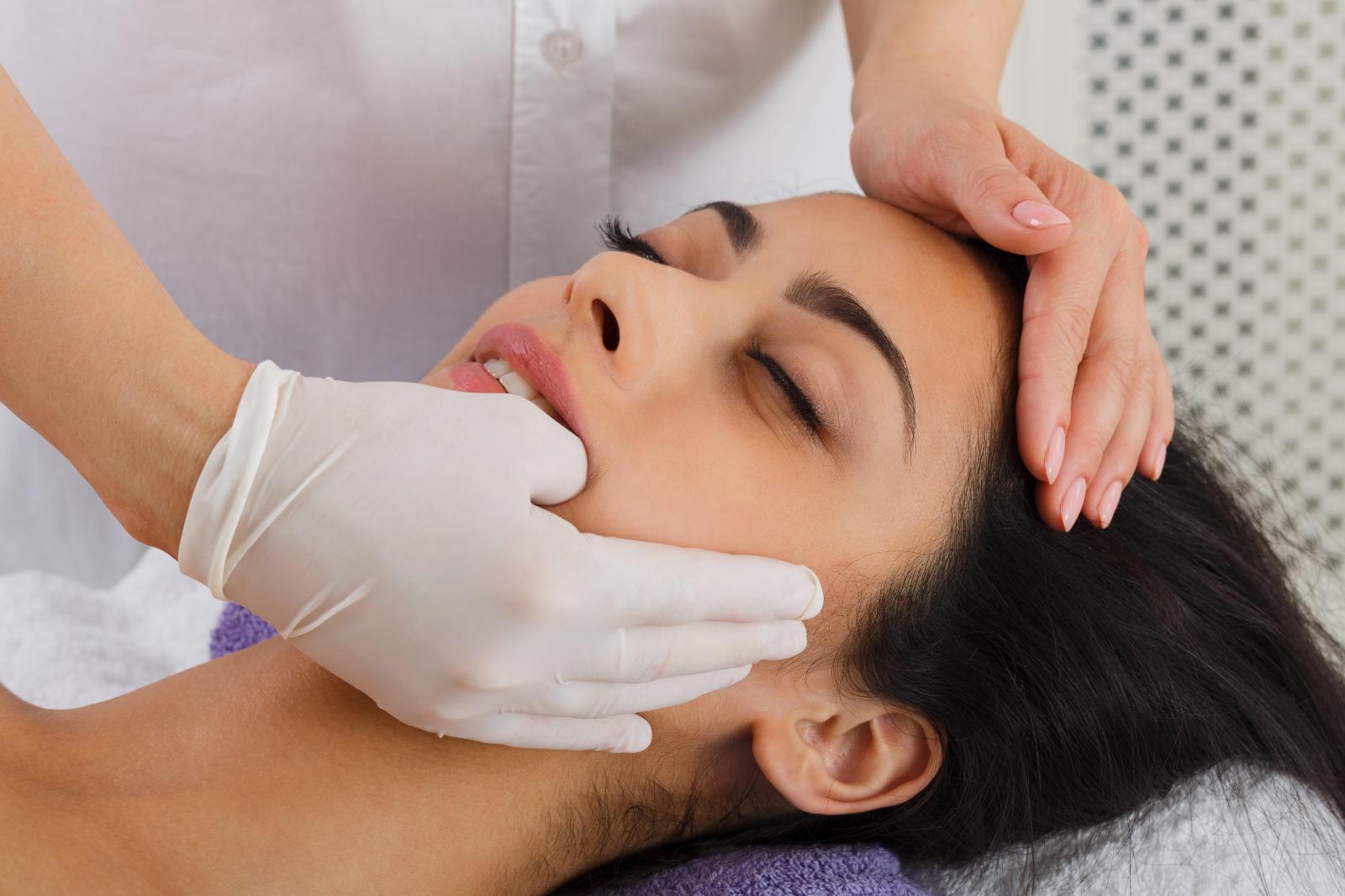
TMJ pain is one of the most common issues clients bring to Myology Massage Therapy. Whether it’s jaw tension, clenching, grinding, ear discomfort, headaches, or neck pain, TMJ‑related symptoms can affect every part of daily life. Fortunately, one of the most effective ways to address these issues is through intra‑oral massage, a specialized treatment that targets the deep muscles of the jaw from inside the mouth.
If you’ve been searching for TMJ treatment in East Wenatchee, or you’re looking for a natural, therapeutic way to relieve jaw pain, this guide will walk you through everything you need to know about intra‑oral massage—what it is, how it works, and why it’s so effective.
What Causes TMJ Pain and Jaw Tension?
The temporomandibular joint (TMJ) is one of the most active joints in the body. It’s involved in chewing, speaking, swallowing, yawning, and facial expression. Because it’s constantly in use—and heavily influenced by stress, posture, and daily habits—it’s extremely common for the surrounding muscles to become tight or imbalanced.
Common TMJ symptoms include:
- Jaw pain or tightness
- Clicking or popping
- Clenching or grinding (bruxism)
- Ear pain, pressure, or ringing
- Headaches or migraines
- Neck and shoulder tension
- Limited jaw opening
- Facial asymmetry
Most TMJ discomfort is muscular in nature. When the jaw muscles become chronically tight, they restrict movement, compress the joint, and create a cycle of pain that radiates into the head, neck, and shoulders.
This is exactly where intra‑oral massage becomes a powerful treatment option.
What Is Intra‑Oral Massage?
Intra‑oral massage is a therapeutic technique that targets the muscles inside the mouth—specifically the masseter, temporalis, medial and lateral pterygoids, and the digastric muscles. These muscles play a major role in chewing, jaw stabilization, and TMJ function.
While external massage can help, many of the muscles responsible for TMJ dysfunction can only be accessed effectively from inside the mouth. Intra‑oral massage allows us to reach these deeper structures, reduce tension, and restore more natural movement patterns.
This work is performed with gloves, clear communication, and a steady, intentional approach. The pressure can feel deep or intense, especially when releasing muscles that are rarely treated, but the results are often immediate and significant.
Our Assessment‑Based Approach at Myology Massage Therapy
Before beginning any TMJ treatment, we start with a visual and palpable assessment to understand your unique muscular patterns.
During your assessment, we evaluate:
- Jaw alignment and movement
- Tension in the masseter and temporalis
- Neck and shoulder posture
- Range of motion
- Signs of clenching or grinding
- Trigger points referring pain to the head, ear, or neck
- Facial asymmetry or compensation patterns
This allows us to create a customized treatment plan tailored to your specific symptoms and muscular imbalances.
What to Expect During an Intra‑Oral Massage Session
Our treatment flow is intentional and structured to maximize results.
1. Internal Warm‑Up of the Facial Muscles
We begin by warming up the facial muscles from inside the mouth. This internal warm‑up increases circulation, softens the tissues, and prepares the deeper jaw muscles for targeted intra‑oral work.
2. Targeted Intra‑Oral Massage
Once the tissues are warmed, we move into focused intra‑oral work. With gloves and clear communication, we treat:
- Internal fibers of the masseter
- Medial and lateral pterygoids
- Intra‑oral access points of the temporalis
- Digastric muscles
This phase can feel deep or intense, especially when releasing the pterygoids, but it is highly effective in reducing compression, improving mobility, and relieving long‑held tension.
3. External Treatment of the Face, Neck, and Shoulders
After the intra‑oral work, we treat the external structures to integrate the changes and support proper jaw function.
We address:
- External masseter
- Temporalis
- SCM
- Upper trapezius
- Suboccipitals
- Scalenes
- Scalp and temple muscles
This final step helps restore balance throughout the jaw, head, and neck.
How Often Should You Receive Intra‑Oral Massage?
For active TMJ symptoms, we typically recommend two sessions per month until symptoms begin to resolve. This frequency allows the muscles to retrain and stabilize without reverting to old patterns.
Many clients choose to continue with maintenance sessions to prevent flare‑ups—especially during stressful periods.
Contraindications: When Intra‑Oral Massage May Not Be Appropriate
Intra‑oral massage is safe and effective, but there are times when it may not be recommended.
Contraindications include:
- Active infections in the mouth or throat
- Open sores or lesions
- Recent dental surgery or extractions
- Severe gag reflex
- Acute orthodontic pain
- Certain neurological conditions
- Acute inflammation or swelling
- Uncontrolled high blood pressure
- Severe anxiety around intra‑oral work
If any of these apply, we’ll discuss alternatives or postpone the internal portion until it’s safe.
Why Clients Love This Treatment
Clients often describe intra‑oral massage as one of the most effective treatments they’ve ever tried for TMJ pain.
Reported benefits include:
- Reduced clenching and grinding
- Fewer headaches
- Less ear pain or pressure
- Improved jaw mobility
- Better sleep
- Decreased neck and shoulder tension
- A sense of openness and ease in the jaw
Because the jaw is so interconnected with the nervous system, releasing these muscles often has a calming effect on the entire body.
Myology Massage Therapy Offers Intra‑Oral Massage in East Wenatchee
If you’re looking for TMJ massage in East Wenatchee, Myology Massage Therapy offers specialized intra‑oral treatment designed to relieve jaw tension, headaches, ear pain, and clenching.
Our approach is detailed, therapeutic, and tailored to your body’s needs. Whether you’re dealing with chronic TMJ dysfunction or new symptoms, intra‑oral massage can be a powerful part of your healing process.