
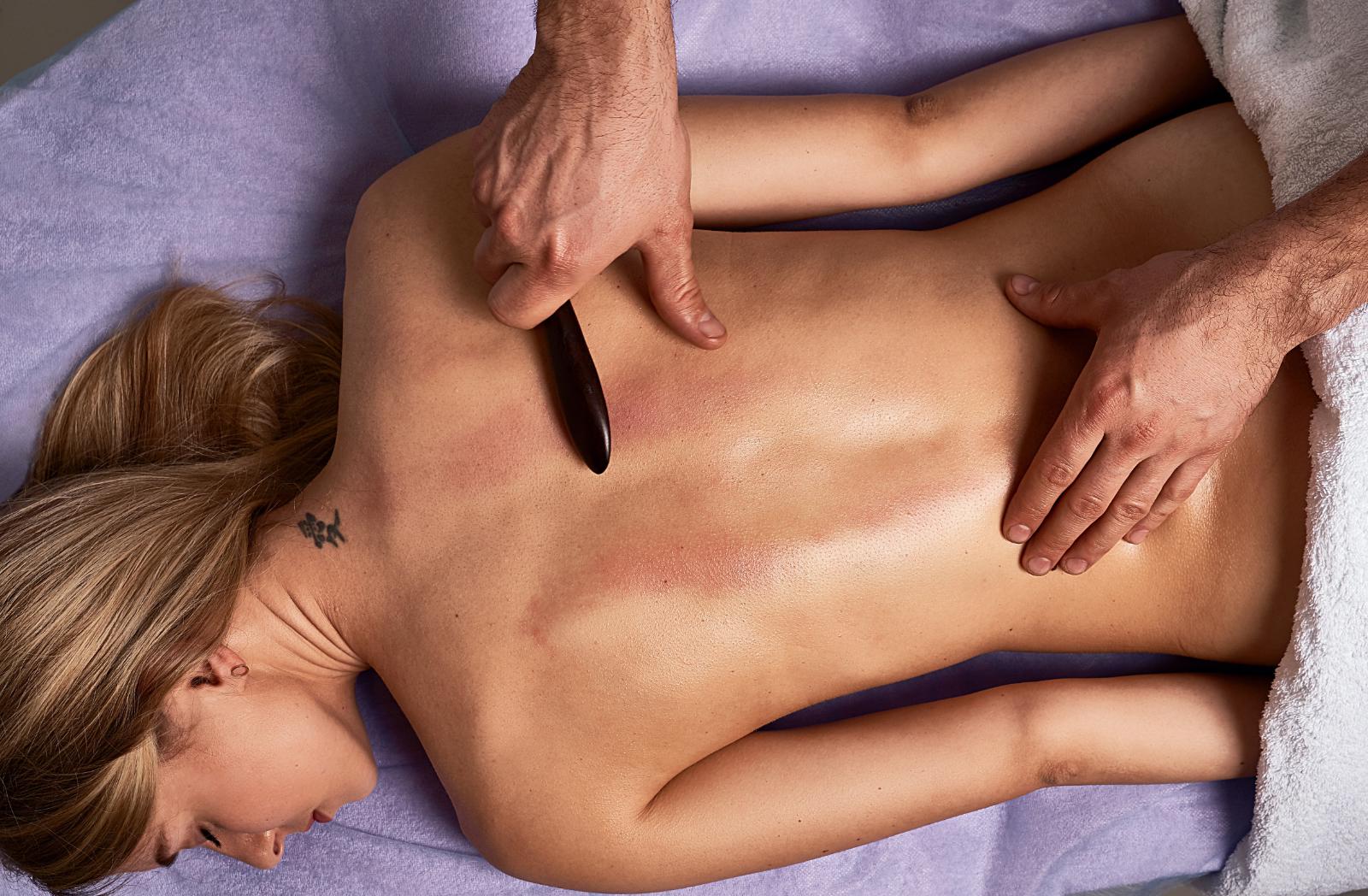
Gua Sha: Ancient Healing Meets Modern Massage Therapy
Among the many traditional healing practices that have found renewed relevance in modern wellness, gua sha stands out as both ancient and adaptable. Rooted in Traditional Chinese Medicine (TCM), gua sha involves scraping the skin with a smooth-edged tool to stimulate circulation, release stagnation, and promote healing. While its origins stretch back thousands of years, gua sha today is being rediscovered not only as a beauty ritual but also as a therapeutic technique for musculoskeletal conditions such as tendonitis.
Though gua sha originated in China, variations of scraping therapy spread across East and Southeast Asia. In Vietnam, it is known as cạo gió (“scraping wind”), often used to treat colds and fevers. In Indonesia, a similar practice called kerokan is common. Each culture adapted the technique to local beliefs and materials, but the underlying principle remained the same: scraping to stimulate healing.
In this blog post, we’ll explore gua sha’s rich history, its modern uses in treating tendonitis and other conditions, and how it can be incorporated into massage therapy for effective, holistic care
The Ancient Roots of Gua Sha
Origins in Traditional Chinese Medicine
The term gua sha comes from two Chinese words: gua (to scrape) and sha (sand or stagnation), referring to the reddish marks that appear on the skin after treatment. The practice dates back over 2,000 years, with some evidence suggesting scraping therapies were used as early as the Neolithic period with bian stones—smooth tools carved from jade or other materials.
During the Han Dynasty (206 BCE–220 CE), gua sha was documented as a method to treat illnesses believed to be caused by “wind” or external pathogens. Practitioners scraped the skin to release “sha,” which was thought to represent stagnation of blood and qi (energy). By stimulating circulation, gua sha was believed to restore balance and health.
Gua Sha in Modern Times
From Traditional Therapy to Modern Wellness
In the 21st century, gua sha has experienced a resurgence. While many people recognize it today as a facial beauty tool—used to reduce puffiness and improve skin tone—it has also gained traction in physical therapy and sports medicine.
Modern practitioners often refer to gua sha as Instrument-Assisted Soft Tissue Mobilization (IASTM). Techniques like the Graston Method®, developed in the 1990s, are essentially modernized gua sha using stainless steel tools to break down scar tissue and adhesions.
Evidence and Applications
While scientific evidence is mixed, some studies suggest gua sha can:
- Increase microcirculation in the treated area.
- Reduce inflammation markers.
- Relieve pain in musculoskeletal conditions.
For example, gua sha has been studied for neck pain, shoulder tension, and tendon injuries, with promising results in reducing discomfort and improving mobility.
Gua Sha for Tendonitis
Understanding Tendonitis
Tendonitis is the inflammation of a tendon, often caused by repetitive strain or overuse. Common forms include:
- Tennis elbow (lateral epicondylitis)
- Golfer’s elbow (medial epicondylitis)
- Achilles tendonitis
- Rotator cuff tendonitis
Symptoms typically include pain, tenderness, and reduced mobility.
How Gua Sha Helps
Gua sha can be applied to areas affected by tendonitis to:
- Break down adhesions in the soft tissue.
- Stimulate blood flow to promote healing.
- Reduce inflammation by encouraging lymphatic drainage.
- Relieve pain by releasing tension in surrounding muscles.
For tendonitis, gua sha is often used in conjunction with stretching, strengthening exercises, and massage therapy. By scraping along the tendon and surrounding muscles, practitioners aim to restore mobility and reduce pain.
Clinical Perspective
In modern physiotherapy, gua sha (IASTM) is used to detect and treat scar tissue and fascial restrictions. The scraping motion provides mechanical stimulation that may help remodel connective tissue. Athletes recovering from tendon injuries often benefit from this approach, especially when combined with rehabilitative exercises.
Other General Treatments with Gua Sha
Beyond tendonitis, gua sha has traditionally been used for a wide range of conditions:
- Muscle pain and stiffness – Relieves tension and promotes relaxation.
- Respiratory issues – Historically used to treat colds, coughs, and asthma.
- Digestive problems – Believed to stimulate internal organ function.
- Fatigue and stress – Encourage circulation and relaxation.
- Headaches and migraines – Applied to neck and shoulder areas to reduce tension.
In modern wellness, gua sha is often incorporated into sports recovery, chronic pain management, and stress relief routines.
Incorporating Gua Sha into Massage Therapy
Why Combine Gua Sha with Massage?
Massage therapy focuses on manipulating soft tissues to relieve tension, improve circulation, and promote relaxation. Gua sha complements massage by offering a deeper, targeted approach to breaking down adhesions and stimulating healing.
Together, they create a holistic treatment that addresses both surface-level relaxation and deeper musculoskeletal issues.
Practical Integration
Here’s how gua sha can be incorporated into a massage session:
- Assessment – The therapist identifies areas of tension, inflammation, or restricted mobility.
- Warm-Up Massage – Gentle massage prepares the muscles and tissues for gua sha.
- Gua Sha Application – Using a smooth-edged tool (jade, horn, wood or metal), the therapist scrapes along the affected area with firm but controlled pressure.
- Massage Follow-Up – Massage techniques are used to soothe the area, encourage circulation, and integrate the benefits of gua sha.
- Stretching/Aftercare – Clients may be guided through stretches or advised on hydration, ice and rest to maximize recovery.
Benefits of Integration
- Enhanced circulation compared to massage alone.
- Targeted treatment for tendonitis and chronic pain.
- Synergistic relaxation—gua sha may feel intense, but massage balances it with soothing touch.
- Customizable approach—pressure and technique can be tailored to client needs.
Risks and Considerations
While gua sha is generally safe, clients should be aware of:
- Temporary redness or bruising (petechiae) after treatment.
- Mild soreness in treated areas.
- Rare complications if performed too aggressively.
It should be avoided in cases of:
- Broken skin or open wounds.
- Blood clotting disorders.
- Certain medical conditions without professional guidance.
Conclusion
Gua sha is a bridge between ancient wisdom and modern therapy. From its origins in Traditional Chinese Medicine to its adaptation in sports rehabilitation, gua sha has proven to be a versatile technique for promoting healing and relieving pain.
For conditions like tendonitis, gua sha offers a targeted approach to breaking down adhesions, stimulating circulation, and reducing inflammation. When combined with massage therapy, it creates a powerful synergy—balancing deep tissue stimulation with relaxation and holistic care.
As massage therapists and wellness practitioners continue to explore integrative techniques, gua sha stands out as a practice that honors tradition while meeting the demands of modern health.
Word Count: ~2,050